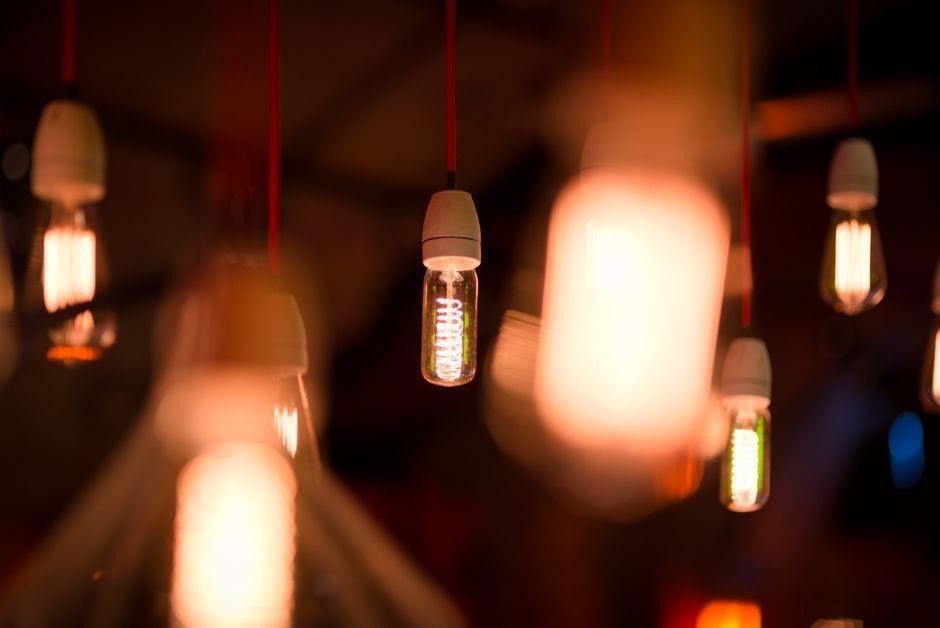
light bulb color temperature guide
Understanding the light bulb color temperature guide helps you choose lighting that sets the right mood. Kelvin values range from warm 2700K to cool 6500K, each hue affecting perception and comfort. This guide explains how to match temperatures to spaces for optimal ambience. Enjoy precise lighting.Today
What Is Color Temperature?
Color temperature is a standardized metric that describes the hue of light emitted by a source, expressed in Kelvin (K). It originates from black‑body radiation theory, where an idealized object heated to a certain temperature emits a spectrum that shifts from deep red at low temperatures to pure blue at high temperatures. In practical lighting, manufacturers assign a Kelvin value to bulbs so consumers can anticipate the visual feel of the illumination. A 2700K light appears warm and amber, evoking a relaxed, cozy ambiance, whereas a 6500K source emits a cool, daylight‑like white that enhances clarity and sharpness. The scale is linear, but human perception is logarithmic; thus, a modest increase of 200K can noticeably alter mood and visual comfort. Color temperature also interacts with the color rendering index (CRI), which measures how accurately a light source reproduces colors compared to natural daylight. High‑CRI bulbs (above 80) are often paired with warmer temperatures for living spaces, while task lighting may favor cooler temperatures with high CRI to reduce eye strain. Designers use color temperature to create layered lighting schemes, matching the psychological impact of light to the function of a room. Understanding this concept enables homeowners and professionals to select bulbs that align with aesthetic goals, energy efficiency, and functional requirements, ensuring that lighting not only illuminates but also enhances the overall experience of the space.!!!??
Measuring in Kelvin

Color temperature is expressed in Kelvin (K), a scale that originates from black‑body radiation physics. A perfect black body emits light that shifts from deep red at 1000 K to pure white at 6500 K. Modern LED and incandescent bulbs mimic this spectrum, allowing manufacturers to label their output in Kelvin. The scale is linear: each increment represents a slight shift toward cooler or warmer light. For example, 2700 K produces a soft, amber glow ideal for relaxation, while 5000 K offers a crisp, daylight‑like brightness that enhances focus. When shopping, look for the Kelvin rating on the packaging or product description; it is usually written as “K” followed by a number, such as 3000 K or 4100 K. Some bulbs also provide a range, e.g., 2700–3000 K, indicating that the lamp’s temperature can vary slightly due to dimming or color‑changing features. Understanding these numbers lets you match lighting to the function of a room, ensuring both comfort and energy efficiency. Remember that the perceived warmth or coolness also depends on color rendering index (CRI) and luminous efficacy, but Kelvin remains the primary metric for setting the overall hue of a light source.
To interpret Kelvin ratings, many manufacturers provide a chart: 2700–3000 K for living spaces, 3500–4100 K for work areas, and 5000–6500 K for daylight simulation. Some smart bulbs allow adjustment via apps, letting users shift between 2700 K and 6500 K with a tap. Knowing the Kelvin range helps you avoid harsh lighting, ensuring visual comfort and energy savings!!
Warm White vs Cool White
Warm white bulbs (2700K‑3000K) emit a cozy, yellow‑tinted glow, ideal for living rooms and bedrooms. Cool white bulbs (3500K‑4100K) produce a crisp, neutral light, suitable for kitchens, bathrooms, and workspaces. Choosing the right range enhances comfort and visibility !!!!
Warm White (2700K-3000K)
Warm white lighting, typically ranging from 2700 K to 3000 K, emits a soft, amber‑tinted glow that mimics the gentle warmth of a traditional incandescent bulb. This hue is prized for its ability to create a relaxed, inviting atmosphere, making it a staple in living rooms, bedrooms, and dining areas where comfort is paramount. The subtle, reddish‑orange spectrum reduces glare and eye strain, allowing occupants to read, converse, or unwind without the harshness associated with cooler tones. According to recent studies, warm white light can also enhance the perception of depth and texture in décor, emphasizing natural wood finishes, plush fabrics, and artwork. For those seeking a cozy ambiance, selecting a 2700 K to 3000 K bulb ensures a familiar, soothing glow that supports circadian rhythms by signaling the evening’s approach. When paired with dimmable LED fixtures, warm white can be adjusted to match the desired level of intimacy, from bright, energetic mornings to mellow, restorative evenings. Because warm white LEDs often achieve high color rendering indices (CRI 80–90), they faithfully reproduce colors, making them ideal for showcasing artwork or textiles. Additionally, the lower color temperature reduces blue light exposure, which can improve sleep quality when used in evening lighting. Many manufacturers offer warm white bulbs in various wattage equivalents, allowing homeowners to maintain familiar brightness levels while cutting energy consumption by up to 70% compared to incandescent fixtures. Layering warm white fixtures, such as table lamps and wall sconces, can create depth and visual interest, further enhancing the room’s ambiance. Choosing bulbs with a CRI of 90 or higher ensures vivid color reproduction for displays!!!!!
Cool White (3500K-4100K)
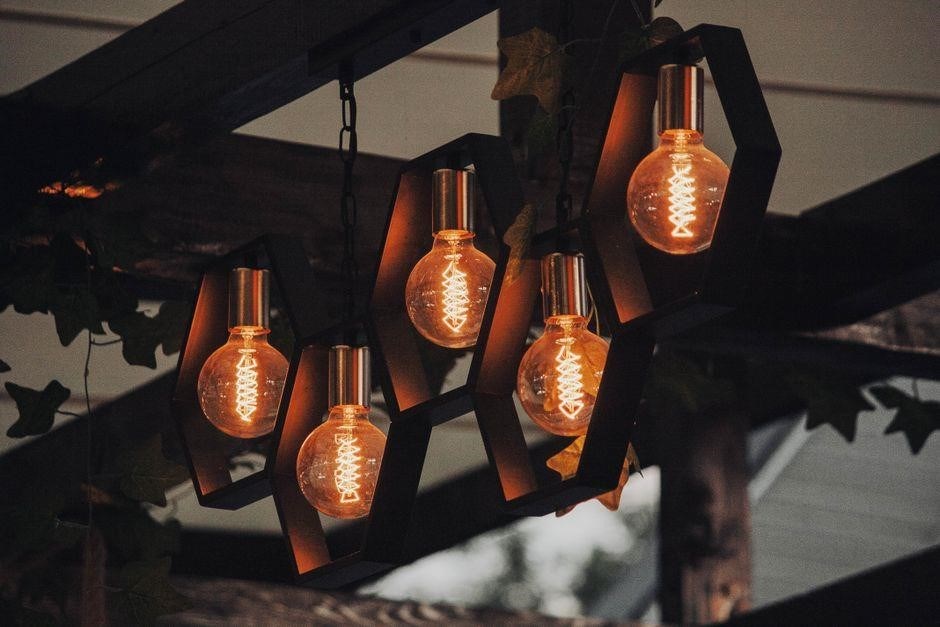
Cool white lighting, spanning 3500K to 4100K, sits between the cozy warmth of 2700K and the crisp daylight range. It offers a balanced, neutral tone that enhances clarity without the starkness of pure daylight. Ideal for kitchens, bathrooms, and workspaces, cool white illuminates surfaces with a subtle, modern feel, promoting focus and productivity. Many LED fixtures now provide dimmable options within this spectrum, allowing users to adjust brightness while maintaining a consistent color temperature. Smart bulbs can shift within the cool white range to match ambient conditions, ensuring a comfortable, energy‑efficient environment. When selecting a cool white bulb, consider the lumen output and color rendering index (CRI) to achieve the desired brightness and accurate color representation. A CRI of 80 or higher is recommended for tasks that require color fidelity, such as cooking or detailed crafts. Additionally, pairing cool white LEDs with dimming controls can create a versatile lighting scheme that adapts to both work and relaxation needs. For a modern aesthetic, cool white lighting pairs well with contemporary fixtures and minimalist décor, providing a clean, crisp backdrop that highlights architectural details and furnishings. By choosing the right cool white bulb, you can create a functional yet stylish atmosphere that supports daily activities and enhances overall well‑being. This temperature range is also favored in modern office design for its ability to reduce eye strain and support circadian rhythms during long work hours.
Daylight and Beyond
Daylight lighting (5000K-6500K) mimics natural sun, boosting alertness and color accuracy. Ideal for kitchens, offices, and creative spaces, it offers a crisp, energetic feel. Adjusting brightness keeps it comfortable, while smart bulbs can shift to warmer tones for evening use. Ideal for daylight. Bright.
Daylight (5000K-6500K)
Daylight bulbs, ranging from 5000K to 6500K, emulate the natural spectrum of daylight. They provide a crisp, cool illumination that enhances contrast and color accuracy, making them ideal for tasks that demand visual precision such as painting, reading, or detailed crafts. The high color rendering index (CRI) of most daylight LEDs ensures that colors appear vivid and true to life, which is especially important in workspaces, studios, and retail displays.

In living areas, daylight lighting can create a bright, energetic atmosphere, but it may feel too harsh for relaxed evenings. Pairing daylight bulbs with warmer accent fixtures or dimming controls can balance the brightness while preserving the natural look. For kitchens, daylight lighting improves visibility for food preparation, cooking, and cleaning, reducing the risk of accidents and boosting productivity.
Bathrooms benefit from daylight bulbs because they provide clear, natural light that helps with grooming tasks. The cool tone reduces the appearance of shadows and highlights skin tones accurately, which is useful for makeup application and shaving. However, the brightness should be moderated with dimmers to avoid glare on mirrors.
When installing daylight bulbs in offices, consider the work cycle: bright daylight promotes alertness and reduces eye strain during the day while a gradual dimming schedule eases the transition to evening tasks. Many modern LED fixtures allow programmable color temperature shifts, enabling a warm evening glow without manual switching.
Choosing the Right Temperature for Rooms
For living rooms and bedrooms, 2700K-3000K creates coziness. Kitchens and bathrooms benefit from 3500K-4100K for clarity. Offices thrive at 4000K-5000K, balancing focus and comfort. Adjust each space’s hue to match its purpose. Use smart bulbs for hue easily.
Living Rooms and Bedrooms

For living rooms and bedrooms, warm white light (2700K‑3000K) creates a relaxed, inviting feel that supports rest and comfort. This hue reduces eye strain, boosts melatonin, and enhances natural fabric colors, making spaces feel cozy.
Layered lighting works best: a central ceiling fixture or pendant with a warm bulb, plus table or floor lamps that also emit warm white. Dimmer switches let you shift from bright daytime to soft evening glow, ideal for movie nights or reading.
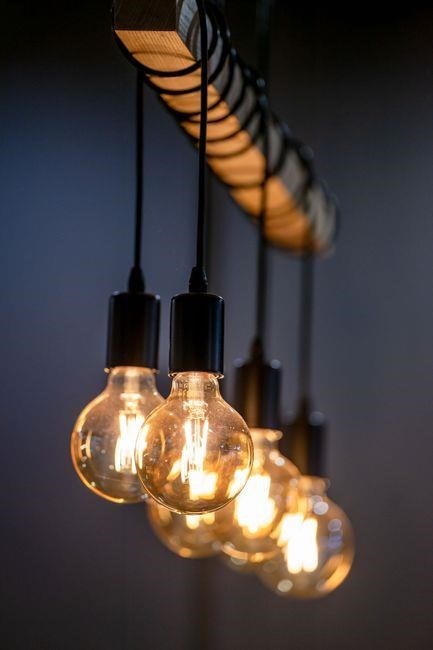
Choose LEDs or CFLs that specify “warm white” or “soft white” and verify the Kelvin rating. Many brands offer 2700K‑3000K LEDs with CRI above 80, ensuring colors look natural. Pairing these with dimmable technology gives flexibility and energy savings;

Room size matters. Larger living rooms may need 800‑1000 lumens per fixture, while smaller bedrooms work well with 400‑600 lumens. Matching brightness to space keeps the atmosphere balanced and prevents harsh lighting.
By aligning color temperature, brightness, and dimming options, you create a harmonious lighting scheme that supports both comfort and functionality, turning everyday rooms into soothing retreats.
When you shop, look for energy‑star certified bulbs that match the desired Kelvin range. Test a sample in the room’s lighting setup before committing, as perceived warmth can vary with fixture type and surrounding décor. A well‑chosen bulb can transform a space into a sanctuary of light. Enjoy gentle light in soft corner. Let light guide; dreams bloom
Kitchens and Bathrooms
When selecting bulbs for kitchens and bathrooms, goal is to balance visibility, safety, and aesthetic harmony. In kitchens, a cool‑white spectrum (3500K–4100K) delivers crisp, daylight‑like illumination that enhances food presentation and supports precise cooking tasks now. The higher color temperature reduces shadow risk and ensures countertop surfaces, appliances, and cabinets are rendered accurately. For bathrooms, a slightly warmer range (3000K–3500K) is often preferred because it creates a soothing yet bright environment that flatters skin tones during grooming activities. This temperature range mimics natural indoor lighting, reducing the harshness that can accompany pure cool white. This option is ideal for modern bathrooms now. In both spaces, dimmable LEDs provide flexibility, allowing users to adjust brightness for cooking, meal prep, or evening relaxation. Smart bulbs with color adjustment further enhance versatility, letting homeowners shift from a bright, energizing 4000K during work hours to a softer, 2700K glow for winding down. Finally, energy efficiency is a key consideration: LED bulbs with a high lumen output (e.g., 800–1200 lumens for kitchens, 600–900 lumens for bathrooms) achieve the desired brightness while consuming less power than incandescent or halogen alternatives. By carefully matching color temperature, brightness, and dimming capability to each room’s function, homeowners can create functional, inviting, and energy‑efficient lighting that complements both culinary creativity and personal care routines.
Offices and Workspaces
Choosing the right color temperature for offices and workspaces is essential for maintaining focus, reducing eye fatigue, and boosting overall productivity. A neutral white range—typically between 3500 K and 4100 K—provides a balanced, daylight‑like illumination that mimics natural office lighting without the harshness of pure daylight. This spectrum offers sufficient contrast for reading and detailed tasks while keeping the environment calm and inviting. Studies show that cooler tones (above 4100 K) can increase alertness but may cause glare, whereas warmer tones (below 3500 K) can feel cozy but may slow cognitive performance. For large open‑plan offices, a blend of 4000 K LEDs paired with dimmable fixtures allows workers to adjust brightness to task demands, such as brightening during meetings or dimming for creative brainstorming. Additionally, incorporating circadian‑friendly lighting that shifts from cooler in the morning to warmer in the evening can support natural sleep cycles, especially in buildings that host employees with flexible schedules. Finally, pairing neutral white bulbs with smart controls enables real‑time adjustments, ensuring consistent lighting quality across different work zones and reducing the need for manual switches. By prioritizing a balanced 3500 K‑4100 K range, offices can achieve a harmonious blend of clarity, comfort, and efficiency. Moreover, color temperature LEDs let teams shift from warm tones during to cooler hues for focused tasks, more creating a lighting environment that adapts to the rhythm of modern workplaces.
Dimmable and Color-Changing Options
Dimmable LEDs let you adjust brightness, while smart bulbs offer 16 million color choices. With a range from 30 to 800 lumens, you can shift from warm white to daylight, tailoring mood for any activity. These versatile options enhance flexibility and energy savings!
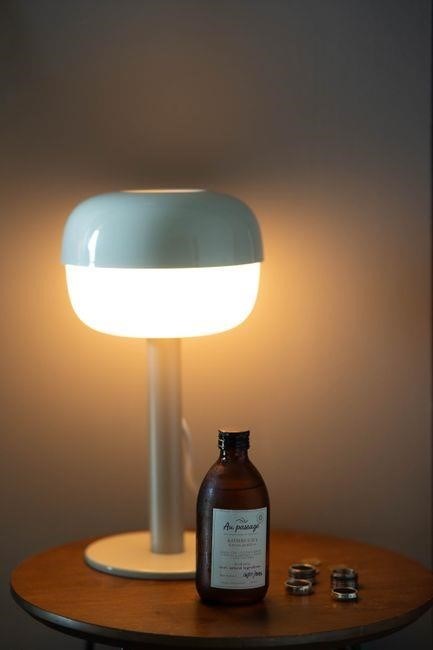
Dimmable LEDs offer flexibility, allowing you to adjust brightness from full to a gentle glow. Most dimmable bulbs support a wide range of color temperatures, from warm 2700K to daylight 6500K, and can be paired with dimmer switches or smart home systems. The Rokus A19 LED features a standard E26 screw base, measures 5.0 inches long by 2.5 inches wide, and displays 16 million colors. Its dimmable range spans from 30 to 800 lumens, making it suitable for living rooms, bedrooms, and workspaces. Compatibility is key: use a dimmer rated for LED technology to avoid flicker or reduced lifespan. Dimmable LEDs consume less energy than incandescent bulbs, often saving 70% or more on electricity bills. They also have a longer lifespan—up to 25,000 hours—so you’ll replace them less frequently. When selecting a dimmable LED, check the dimming curve (e.g., 0–100% linear) and the dimmer’s min/max wattage. Smart bulbs add another layer of control, enabling voice commands, scheduling, and color adjustment through apps. For optimal performance, ensure the dimmer’s maximum load matches the bulb’s rated wattage, and consider using a “LED‑compatible” dimmer for smooth transitions. With these considerations, dimmable LEDs provide both energy efficiency and customizable lighting for any setting. Dimmable LED fixtures incorporate drivers that regulate voltage and current, ensuring light output and protecting the bulb from power surges. Some manufacturers offer a “dimming mode” that automatically adjusts the color temperature as the light dims, creating a warm ambiance at low settings and a crisp daylight at higher levels. These features enable precise mood setting for room ambiance today.
Smart Bulbs with Color Adjustment
Smart bulbs with color adjustment bring versatility to modern lighting. By using RGB LEDs, these fixtures can display over 16 million hues, allowing users to shift from a cozy amber to a crisp daylight tone with a tap or voice command. Most models pair with Wi‑Fi or Bluetooth, enabling remote control through smartphone apps or smart assistants such as Alexa, Google Assistant, and Apple HomeKit. The color temperature range typically spans 2000 K to 6500 K, giving full control over warmth and coolness. Dimming is integrated, so brightness can be lowered without losing color fidelity. Many manufacturers offer scheduling, scene presets, and integration with ambient sensors that adjust lighting based on time of day or occupancy. For home theaters, a warm setting enhances comfort, while a cooler setting is ideal for gaming or work. In kitchens, the ability to toggle between a bright, energizing, a softer, relaxing glow can improve both safety and mood. When selecting a smart bulb, consider compatibility with existing dimmer switches, the quality of the color rendering index (CRI), and the longevity of the LED. A higher CRI (above 80) ensures colors appear natural, which is essential when the bulb’s hue is frequently changed. Finally, many brands provide firmware updates that refine color accuracy and add new features, ensuring the bulb evolves with user needs.