
first alert smoke alarm instruction manual
First Alert Smoke Alarm Instruction Manual: A Comprehensive Guide
This manual provides essential guidance for First Alert smoke alarm models, including battery-powered, hardwired, and combination units like SA303CN3, 9120B, and SMIC0100-AC․
Understanding Your First Alert Smoke Alarm
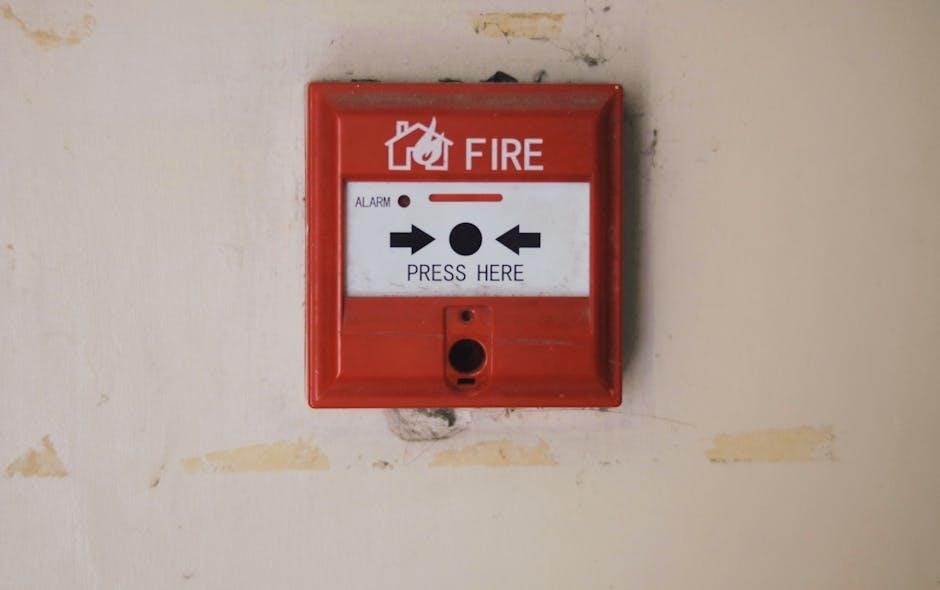
First Alert smoke alarms are crucial life-safety devices, designed to provide early warning of fire․ These alarms utilize various sensor technologies, from conventional to dual-sensor, to detect smoke particles․ Regular self-checks, occurring every five minutes in some models like the 7010B and SF450EN, ensure operational readiness․ Understanding alarm signals – chirps, beeps – is vital for proper response and maintenance․
Types of First Alert Smoke Alarms
First Alert offers diverse smoke alarm options to suit various needs․ Battery-powered models, such as the SA303CN3, provide easy installation without wiring․ Hardwired alarms, like the 9120B/SMI100, integrate with home electrical systems and often include battery backup․ Combination alarms (SMIC0100-AC, CO615) detect both smoke and carbon monoxide, enhancing safety․
Battery-Powered Smoke Alarms (e․g․, SA303CN3)
The First Alert SA303CN3 is a popular battery-operated choice, offering straightforward protection․ These alarms are easily installed without electrical wiring, making them ideal for renters or quick setup․ Regular battery checks are crucial for optimal performance․ A silence button temporarily quiets nuisance alarms, while a test button verifies functionality․
Hardwired Smoke Alarms (e․g․, 9120B/SMI100)
First Alert 9120B/SMI100 models connect directly to your home’s electrical system, offering reliable power with battery backup․ Professional installation is recommended due to electrical work involved․ These alarms often interconnect, meaning if one detects smoke, all alarms sound․ Regular testing and battery checks are still vital for continued safety․
Combination Smoke and Carbon Monoxide Alarms (e․g․, SMIC0100-AC, CO615)
First Alert SMIC0100-AC and CO615 alarms offer dual protection, detecting both smoke and carbon monoxide․ These are direct replacements for SC9120B models․ Digital displays on some models show CO levels․ Regular testing of both sensors is crucial․ Battery backup ensures continued operation during power outages, providing comprehensive safety;
Key Features and Components
First Alert smoke alarms boast essential features for safety․ The silence button temporarily quiets nuisance alarms․ A prominent test button verifies functionality․ Some models include a digital display showing alarm status or CO levels․ Self-check functionality, running every five minutes, ensures continuous operational readiness and alerts to potential issues․
Silence Button Functionality
The silence button temporarily quiets nuisance alarms, useful for cooking smoke or steam․ Pressing the button silences the alarm for a short period, typically several minutes․ It does not deactivate the alarm; it only provides temporary relief․ Always investigate the cause of the alarm before relying on the silence feature repeatedly․
Test Button Operation
Regularly testing your First Alert smoke alarm is crucial for ensuring functionality․ Pressing the test button simulates smoke conditions, triggering the alarm sound․ This verifies the electronic circuitry and audible warning are working․ Test monthly, and after battery changes․ If the alarm doesn’t sound, replace the unit immediately․
Digital Display (on some models)
Certain First Alert models, like the CO615, feature a digital display․ This screen shows carbon monoxide (CO) levels in parts per million (PPM), providing real-time monitoring․ The display also indicates alarm status, battery life, and potential malfunctions․ Refer to your model’s specific guide for interpreting display readings accurately․
Installation Instructions
Proper installation is crucial for effective smoke detection․ Choose locations following manufacturer guidelines, avoiding kitchens and bathrooms to minimize false alarms․ Mount alarms on ceilings or high on walls․ Hardwired models require electrical expertise; disconnect power before installation․ Always test after installation to confirm functionality․
Choosing the Correct Location
Install smoke alarms on every level of your home, inside and outside bedrooms․ Avoid placing them near kitchens or bathrooms due to potential false alarms from cooking steam․ Ceiling mounting is preferred, but wall placement is acceptable if at least 4-12 inches from the ceiling․ Follow local codes․
Mounting the Alarm (Ceiling vs․ Wall)
For optimal performance, mount the alarm on the ceiling, at least 4 inches from any wall․ If wall mounting is necessary, position it 4-12 inches below the ceiling․ Ensure the alarm is securely attached using the provided hardware․ Avoid corners, as stagnant air can delay detection․ Follow all included installation steps carefully․

Hardwiring Instructions (for applicable models)
Before hardwiring, disconnect power at the circuit breaker․ Connect the alarm’s black wire to the hot (black) wire, white to neutral (white), and ground (bare or green) to ground․ Ensure secure wire connections using wire connectors․ Restore power and test the alarm․ Refer to a qualified electrician if unsure about electrical work․
Battery Information
First Alert alarms typically require a 9V battery for optimal performance, even in hardwired models․ Replace batteries annually, or immediately upon a low-battery warning chirp․ Use a fresh, quality alkaline battery for reliability․ Proper battery installation ensures continuous protection․ Dispose of old batteries responsibly, following local regulations․
Recommended Battery Type
First Alert strongly recommends using a standard 9-volt alkaline battery for their smoke and carbon monoxide alarms․ Avoid heavy-duty or rechargeable batteries, as they may not provide consistent power․ Ensure the battery is fresh and from a reputable brand for reliable performance․ Using the correct battery type maximizes alarm lifespan and responsiveness․
Battery Replacement Procedure
To replace the battery, gently twist the alarm counterclockwise to remove it from the mounting bracket․ Open the battery compartment, typically located on the back or side․ Disconnect the old battery and connect a new 9-volt alkaline battery, ensuring correct polarity․ Reattach the alarm to the bracket and test it immediately․
Low Battery Warning Signals
A chirping sound, occurring approximately every 30-60 seconds, indicates a low battery condition․ This signal is distinct from the alarm sound for smoke or carbon monoxide․ Replace the battery immediately upon hearing this chirp․ Ignoring the warning can compromise the alarm’s ability to detect hazards, potentially endangering safety․
Alarm Signals and What They Mean
First Alert alarms utilize distinct signals to communicate different conditions․ A chirping sound signifies low battery or a malfunction, requiring immediate attention․ Three beeps indicate potential smoke or carbon monoxide detection, demanding evacuation․ Utilize the silence button to temporarily quiet nuisance alarms, but investigate the cause promptly․
Chirping Sound (Low Battery/Malfunction)
A periodic chirp, typically every 30-60 seconds, signals either a low battery condition or an internal malfunction within the First Alert smoke alarm․ Immediately replace the battery with a fresh one․ If chirping persists post-replacement, the alarm is likely malfunctioning and requires replacement for continued safety․
Three Beeps (Potential Smoke/CO Detection)
A series of three beeps, repeated with pauses, indicates the potential detection of smoke or carbon monoxide (CO) by your First Alert alarm․ Evacuate all occupants and pets immediately․ Call emergency services from a safe location, even if the source isn’t obvious, to investigate the alert thoroughly․
Alarm Silence Feature – How to Use
The silence button temporarily quiets nuisance alarms, such as from cooking smoke․ Press the button to silence the alarm for a short period, typically several minutes․ Note: the alarm will reactivate if smoke or CO is still detected․ Never disable the alarm permanently; address the cause of the initial alert․
Maintenance and Troubleshooting
Regular maintenance ensures reliable operation․ Clean the alarm monthly with a vacuum to remove dust and debris․ Test the alarm weekly using the test button․ For false alarms, identify and eliminate the source․ If no power, check the battery or circuit breaker․ Address any chirping sounds immediately․
Regular Cleaning Procedures
Dust and debris can interfere with sensor accuracy․ Clean your First Alert smoke alarm monthly using a soft brush or vacuum attachment․ Avoid using water, detergents, or cleaning solutions․ Gently remove any visible dust from the exterior and the sensor openings․ This simple step maintains optimal performance․
Testing the Alarm Regularly (Monthly)
Locate the test button on your First Alert smoke alarm․ Press and hold the button until a loud, piercing sound confirms functionality․ Monthly testing ensures the alarm’s electronic circuitry and horn are operating correctly․ Do not use open flames to test; the test button simulates smoke detection․ Regular checks are vital for safety․
Troubleshooting Common Issues (False Alarms, No Power)

For false alarms, ensure proper placement away from cooking areas and steam․ If the alarm chirps, replace the battery immediately․ No power? Verify the circuit breaker hasn’t tripped for hardwired models․ Clean the alarm regularly to prevent dust buildup․ Consult the full manual for specific model troubleshooting․

Self-Check Functionality
First Alert alarms perform a 5-minute self-test during normal operation․ This automated check verifies sensor functionality and alarm circuitry․ If the self-test fails, the alarm will indicate a problem, often with continuous chirping․ Immediate attention is required if the self-test consistently fails; consult the manual or contact support․
Understanding the 5-Minute Self-Test
The 5-minute self-test is an internal diagnostic routine․ It quietly assesses the alarm’s key components without audible beeps during successful completion․ This regular check ensures the smoke detector remains consistently operational and ready to respond to potential hazards․ It’s a crucial feature for ongoing safety assurance․
What to Do if the Self-Test Fails
If the self-test fails, the alarm will typically emit a distinct chirping sound․ Immediately replace the batteries with fresh ones, even if the alarm is hardwired․ If the chirping persists after battery replacement, the unit may be malfunctioning and requires immediate replacement․ Do not ignore this warning signal!
Advanced Features (Z-Wave Models)
First Alert Z-Wave models, such as the FSMCO410BX, offer smart home integration․ Connecting to a Z-Wave network enables remote monitoring and alerts via compatible hubs․ Users can receive notifications on their smartphones regarding alarm status, even when away from home․ This provides enhanced safety and peace of mind․
Connecting to a Z-Wave Network (FSMCO410BX)
To connect the FSMCO410BX to your Z-Wave network, initiate inclusion mode on your Z-Wave hub․ Press and hold the test/reset button on the alarm until the Z-Wave indicator light begins flashing․ Follow your hub’s instructions to complete the pairing process․ Successful connection enables remote control and monitoring․
Remote Monitoring and Alerts
Once connected to a Z-Wave network, the FSMCO410BX allows for remote monitoring via your hub’s interface․ Receive instant alerts on your smartphone or device upon smoke or CO detection․ This feature provides peace of mind, especially when away from home, ensuring prompt notification of potential hazards․
Compatibility with Onelink App
First Alert welcomes users to utilize the smoke and carbon monoxide detector with the Onelink app․ The app simplifies setup and control, offering a user-friendly interface for managing alarm settings․ Follow the Onelink app’s prompts for easy configuration and access to advanced features, enhancing your home safety experience․
Using the Onelink App for Setup and Control
The Onelink app streamlines the setup process for compatible First Alert alarms․ It guides users through connecting the alarm to their home Wi-Fi network․ Control features include remote silencing, testing, and receiving real-time alerts directly on your smartphone․ The app also provides detailed alarm history and status information․
Understanding Sensor Types
First Alert smoke alarms utilize different sensing technologies․ Conventional alarms detect smoke particles, while dual sensor models combine photoelectric and ionization sensors for broader detection․ Photoelectric sensors are effective at detecting smoldering fires, while ionization sensors respond quicker to flaming fires․ Choosing the right sensor type depends on your specific needs․
Conventional Smoke Detection
Conventional smoke detection, found in models like the First Alert 7010B, relies on a single sensing chamber․ This chamber detects smoke particles entering it, triggering the alarm․ These alarms are generally more affordable but may be slower to react to certain types of fires․ Regular testing is crucial for optimal performance․
Dual Sensor Smoke Alarms
First Alert dual sensor smoke alarms, like the SMIC0100-AC, utilize both photoelectric and ionization sensors․ Photoelectric sensors are effective at detecting smoldering fires, while ionization sensors quickly identify fast-flaming fires․ This combination offers enhanced detection capabilities and reduces false alarms․ They provide a more comprehensive level of protection․
Safety Precautions
To avoid nuisance alarms, position alarms away from cooking areas and steam sources․ Regularly test alarms monthly to ensure proper functionality․ When replacing old alarms, dispose of them responsibly, following local regulations․ Never disable an alarm, even during temporary disturbances․ Prioritize safety and maintain a working alarm system․
Avoiding False Alarms (Cooking Smoke, Steam)
Position smoke alarms at least 10 feet from cooking appliances to minimize false triggers from normal cooking smoke․ Ensure proper ventilation when cooking, utilizing range hoods․ Avoid placing alarms near bathrooms or steam sources, as steam can activate them․ Quickly ventilate the area if a false alarm occurs․
Proper Disposal of Old Alarms
Do not simply discard old smoke alarms with household trash․ Many components contain electronic materials requiring special handling․ Check with your local waste management authority for e-waste recycling programs․ Alternatively, contact First Alert for potential take-back or recycling options․ Remove batteries before disposal․
Model Specific Information
First Alert offers diverse models, each with unique features․ The 7010B is a basic, reliable smoke detector, while the SF450EN provides alarm condition details․ The CO615 is a dual-power carbon monoxide alarm with a digital display․ Refer to the specific manual for your model—available online—for detailed instructions and troubleshooting․
First Alert 7010B Smoke Detector Details
The First Alert 7010B is a battery-operated smoke detector known for its simplicity and dependability․ During normal operation, it performs a self-check every five minutes․ This model requires regular battery replacement and monthly testing to ensure optimal functionality․ Detailed instructions are available in the dedicated 7010B manual․
First Alert SF450EN Alarm Condition Information
The First Alert SF450EN provides alarm condition details, indicating the status of the detector; Understanding these signals is crucial for safety․ The unit regularly performs self-tests, and any failures should be addressed immediately․ Refer to the manual for specific beep patterns and their corresponding meanings, ensuring prompt response to potential hazards․
BIM Object Downloads
Accessing and utilizing Building Information Modeling (BIM) models for First Alert smoke alarms streamlines integration into architectural and engineering projects․ These downloadable models, available online, offer precise specifications and 3D representations․ They facilitate accurate placement and coordination within building designs, ensuring compliance and efficient project workflows for professionals․
Accessing and Utilizing BIM Models
First Alert provides downloadable BIM objects to simplify integration into building designs․ These resources, often found on manufacturer websites, offer detailed 3D models compatible with various BIM software platforms․ Utilizing these models ensures accurate placement, facilitates clash detection, and supports efficient project documentation for architects and engineers․
Support for Logical Sensors
Certain First Alert systems offer compatibility with logical sensors, enhancing overall security․ These include integration with 12VDC motion, door opening, smoke, and water detectors․ Utilizing these sensors alongside the alarm system allows for a more comprehensive and responsive security network, triggering alerts based on multiple event types․
Integration with Motion, Door, Water Sensors
Expanding beyond smoke detection, First Alert systems can integrate with motion, door, and water sensors․ This connectivity, often through systems like iSocket, enables broader home monitoring․ Alerts are sent when these sensors are triggered, providing notifications for intrusions, or even potential water leaks, enhancing overall home safety․