deer moon guide 2023
Deer Moon Guide 2023: A Comprehensive Overview
The 2023 Deer Moon, also known as the Buck Moon, is a spectacular celestial event occurring in July. Male deer grow antlers during this annual cycle!
What is the Deer Moon?
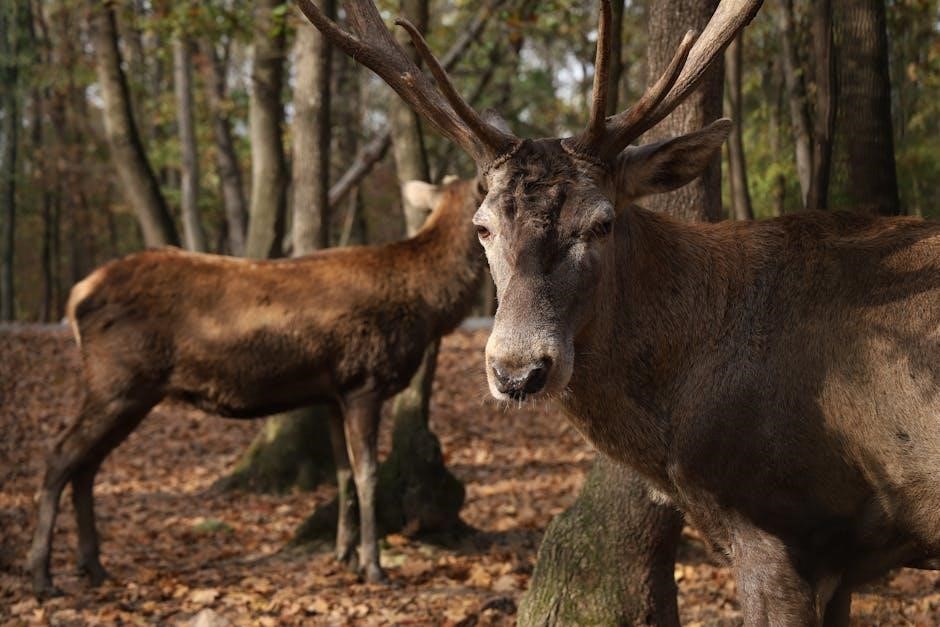
The Deer Moon, prominently known as the Buck Moon, represents the full moon occurring in July. This captivating lunar phase gains its name from the remarkable timing of the deer’s antler growth cycle. During July, male deer – specifically bucks – experience rapid antler development, a natural annual process of shedding and regrowth.
It’s a visually stunning event, often appearing as a supermoon, enhancing its brightness and size in the night sky. The Deer Moon isn’t just an astronomical occurrence; it’s deeply rooted in cultural traditions and folklore, particularly among Native American communities, who historically named the moons based on seasonal changes and natural events. Observing this moon connects us to both the celestial realm and the rhythms of the natural world.
Origins of the Name “Deer Moon”
The name “Deer Moon” isn’t a modern invention; its origins lie deeply embedded within Native American traditions and observations of the natural world. Historically, various tribes named full moons based on prominent events occurring during that time of year. July, consistently, marks the period when male deer, or bucks, begin to grow their antlers.
This annual cycle of antler growth – shedding the old and cultivating the new – became intrinsically linked to the July full moon. The term “Buck Moon” directly reflects this biological phenomenon. It’s a testament to the close relationship between indigenous cultures and the environment, demonstrating a keen awareness of seasonal changes and animal behavior.
The Buck Moon Connection
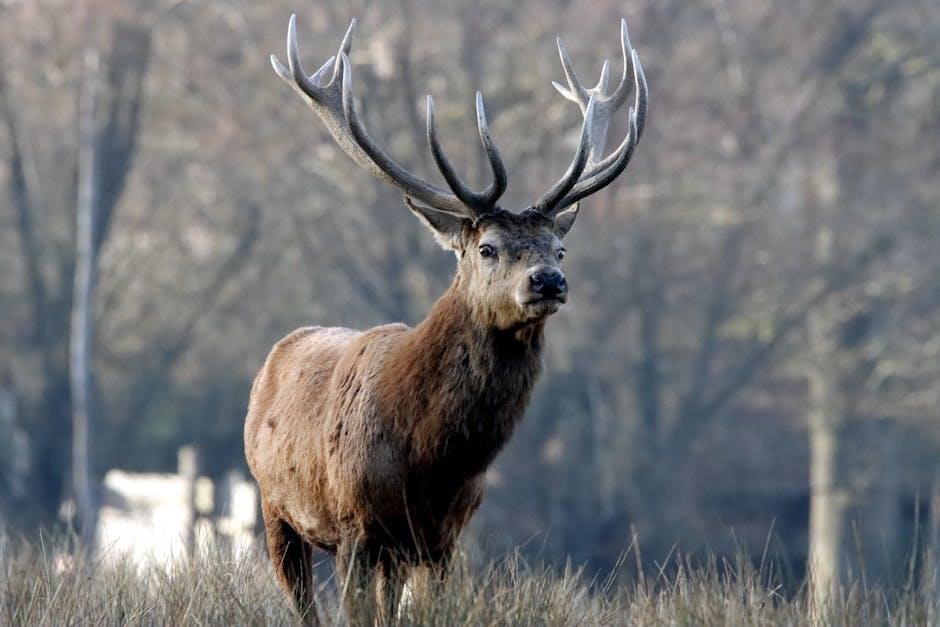
The “Buck Moon” is a widely recognized alternative name for the July full moon, and its connection to deer is quite literal. July specifically coincides with the period when male deer – bucks – are actively growing new antlers. This is an annual process involving shedding old antlers and rapidly developing a fresh set.
This growth is a significant event in the deer’s life cycle, and indigenous peoples observed and named the moon accordingly. The term isn’t merely symbolic; it’s a direct reflection of a natural occurrence. Observing the Buck Moon served as a seasonal marker, indicating changes in the animal kingdom and the broader environment.
Timing of the 2023 Deer Moon
The 2023 Deer Moon reached its peak fullness on Monday, July 3rd. This timing meant the full moon was visible throughout the July 4th holiday weekend, offering extended opportunities for observation. It was the first of four consecutive supermoons in 2023, making it particularly bright and prominent in the night sky.
The moon appeared full for several nights surrounding July 3rd, though the exact moment of peak fullness occurred at a specific time. Skywatchers were encouraged to look towards the east after sunset to witness this beautiful lunar event. The extended visibility made it accessible to a wider audience.
Supermoon Status in 2023
The July 2023 Deer Moon qualified as a supermoon, meaning it appeared larger and brighter than a typical full moon. This phenomenon occurs when the moon is at its closest point to Earth in its orbit – a point known as perigee. The proximity results in a more visually striking lunar display for observers.
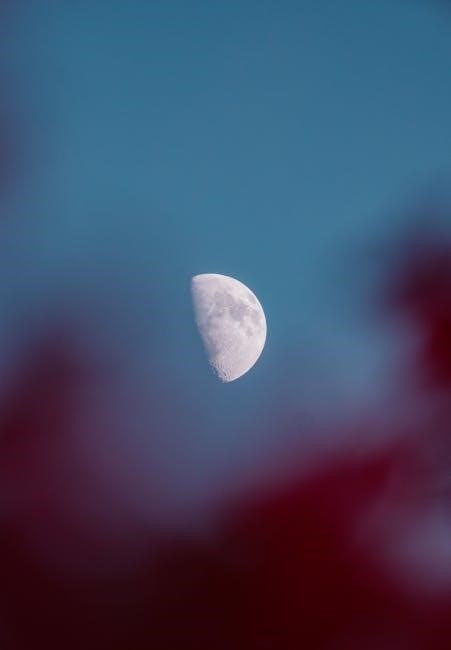
Being the first of four consecutive supermoons in 2023, this Deer Moon was especially noteworthy. Supermoons can appear up to 14% larger and 30% brighter than a full moon at its farthest point. This enhanced brilliance made it easier to observe, even in areas with some light pollution, offering a captivating celestial sight.
Observing the Deer Moon
To best view the Deer Moon, find a dark location away from city lights. Optimal viewing occurred around moonrise or before dawn, offering stunning sights!
Best Time to View
The peak illumination of the 2023 Deer Moon occurred on July 3rd, making that night the prime viewing opportunity. However, the moon appeared full throughout the July 4th holiday weekend, extending the viewing window for many observers.
Generally, the best time to observe any full moon is shortly after moonrise or just before dawn. At these times, the moon is lower in the sky, and its light passes through more of the Earth’s atmosphere. This atmospheric filtering can create a warmer color and a more dramatic appearance. Avoiding light pollution is crucial; seek out dark locations away from city lights for the clearest view.
Consider checking lunar calendars or astronomy apps for precise moonrise and moonset times in your specific location to maximize your viewing experience.
Optimal Viewing Locations
To truly appreciate the Deer Moon, escaping light pollution is paramount. Rural areas, national parks, and remote countryside locations offer the darkest skies and clearest views. Consider state parks or designated dark sky preserves, often chosen for minimal artificial light.
Elevated locations, such as hills or mountains, can also provide unobstructed horizons, enhancing the viewing experience. Coastal areas, with expansive views over the ocean, are excellent choices, as are deserts, known for their clear, dry air.
Even within cities, parks or open spaces away from bright streetlights can offer a reasonable viewing spot. Utilize online light pollution maps to identify darker areas near you.
Equipment for Viewing
While the Deer Moon is beautiful to the naked eye, certain equipment can enhance your experience. Binoculars, even a basic pair, will reveal more surface detail and craters on the lunar surface. A telescope, particularly one with a lunar filter, provides the most detailed views, reducing glare and enhancing contrast.
A comfortable chair or blanket is essential for prolonged viewing. Red-light flashlights are helpful for navigating in the dark without ruining your night vision.
For astrophotography, a tripod is crucial for stability, and a camera with manual settings allows for optimal exposure control. Remote shutter releases minimize camera shake.
Photography Tips for the Deer Moon
Capturing the Deer Moon’s beauty requires planning. Use a tripod for stability and a remote shutter release to avoid camera shake. Shoot in manual mode, prioritizing a low ISO (100-400) to minimize noise. A narrow aperture (f/8 to f/11) ensures sharpness.
Focus manually, using live view and zooming in on the moon’s edge for critical focus. Experiment with exposure times – start with 1/125th of a second and adjust. Consider the “expose to the right” technique, slightly overexposing and correcting in post-processing.
Shoot in RAW format for maximum editing flexibility.
Cultural Significance
Historically, the Deer Moon holds deep meaning. Native American traditions connect it to deer antler growth, while folklore weaves tales of lunar power and symbolism.
Native American Traditions
For many Native American cultures, the full moon in July, the Deer Moon, signifies a time deeply connected to the natural world and the deer’s life cycle. The burgeoning antlers on male deer – bucks – were a prominent observation, giving rise to the moon’s name.
This period often coincided with important ceremonies and celebrations honoring the deer as a vital source of sustenance and a symbol of strength and resilience. Tribes would observe the deer’s behavior, recognizing the moon’s influence on their movements and the overall health of the ecosystem.
The Deer Moon wasn’t merely a marker of time; it was a spiritual indicator, prompting gratitude for nature’s bounty and a renewed commitment to living in harmony with the land.
Folklore and Mythology
Across various cultures, the image of a deer is steeped in symbolism, often representing gentleness, grace, and a connection to the spiritual realm. The Deer Moon, therefore, inherits these associations, becoming a time for introspection and heightened intuition.
Folklore frequently portrays deer as messengers from the otherworld, guides for lost souls, or embodiments of forest spirits. The moon’s illumination during this period was believed to amplify these energies, making it a potent time for dreamwork and divination.
Stories often link the deer’s antler growth to themes of renewal and transformation, mirroring personal journeys of growth and shedding old patterns. The Deer Moon invites us to embrace change and connect with our inner wisdom.
Astrological Interpretations

Astrologically, the Deer Moon in July often falls within the sign of Cancer, amplifying emotional sensitivity and nurturing instincts. This lunar phase encourages a focus on home, family, and inner emotional landscapes. It’s a time for self-reflection and tending to personal needs.
The Buck Moon’s energy, linked to the growing antlers of male deer, symbolizes assertive action and the pursuit of goals. This creates a dynamic tension between Cancer’s inward focus and a drive for outward manifestation.
Expect heightened intuition and a need for emotional boundaries. This lunar cycle supports releasing what no longer serves you, making space for authentic growth and embracing your inner power.
Deer Moon and the Natural World
The Deer Moon directly correlates with the annual antler growth cycle of male deer, or bucks, a significant biological event in nature’s rhythm.
Deer Antler Growth Cycle
The timing of the Deer Moon in July aligns perfectly with a crucial stage in the life cycle of male deer – the rapid growth of their antlers. This annual process is driven by testosterone levels, peaking during the summer months.
Antlers aren’t bone; they’re a rapidly growing bone structure covered in a soft, velvet-like skin. This velvet provides the antlers with blood and nutrients essential for their development. As the antlers grow, they branch and become increasingly complex, signifying the buck’s age and health.
By late summer, the velvet dries and is rubbed off, revealing the hardened antlers. This shedding and regrowth cycle is a remarkable example of natural regeneration, intrinsically linked to the lunar calendar and the Deer Moon’s appearance.
Impact on Deer Behavior
The Deer Moon’s influence extends beyond just antler growth, impacting overall deer behavior. Rising testosterone levels during this period trigger increased activity and aggression among bucks. This is a critical time for establishing dominance hierarchies within the deer population, often leading to sparring matches and displays of strength.
Bucks become more focused on attracting mates, increasing their movements and vocalizations. The brighter moonlight associated with a full moon can also affect their nocturnal foraging patterns, potentially making them more visible.
Does, meanwhile, are preparing for the upcoming breeding season, carefully assessing potential mates. The Deer Moon, therefore, marks a period of heightened energy and activity across the entire deer community.
Connection to Summer Solstice
The Deer Moon’s timing closely follows the Summer Solstice, a significant astronomical event marking the longest day of the year. This connection isn’t merely coincidental; both represent peaks of energy and growth within the natural world. The Solstice signifies the sun’s maximum power, fueling abundant plant life – a crucial food source for deer.
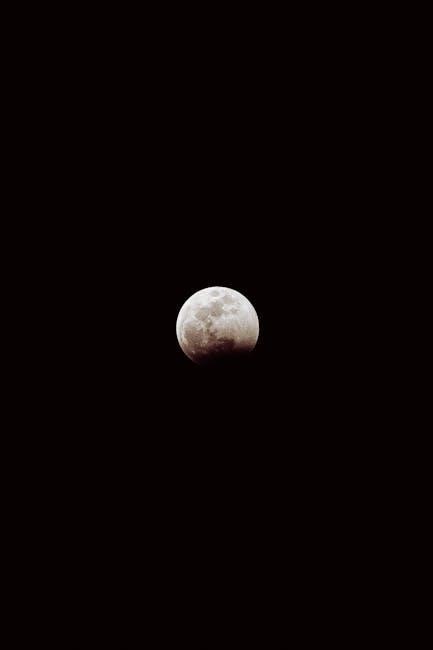
As daylight hours begin to shorten after the Solstice, the Deer Moon illuminates the nights, coinciding with the rapid antler development in bucks. This period represents a transition, a balance between the outward expansion of summer and the inward preparation for autumn.
Historically, cultures recognized this synergy, linking the Solstice and the Deer Moon to themes of abundance and cyclical renewal.
Other Full Moons in 2023
Beyond the Deer Moon, 2023 offers stunning lunar displays! Enjoy the Strawberry Moon in June, the Harvest Moon in September, and the Hunter’s Moon in October.
Strawberry Moon (June)
The Strawberry Moon, occurring in June, precedes the Deer Moon and marks the beginning of the summer season. Its name originates not from its color, which is typically not strawberry-red, but from the Algonquin, Ojibwe, Dakota, and Lakota tribes. They associated this full moon with the ripening of strawberries, a time for harvesting these delicious fruits.
This full moon often appears with a golden or amber hue, adding to its beauty. While not a supermoon like some later full moons in 2023, the Strawberry Moon still provides a captivating celestial spectacle. It signals a shift in nature, with longer days and warmer temperatures, and is a beautiful reminder of the abundance of the summer months.
Harvest Moon (September)
The Harvest Moon, rising in September, follows the Deer Moon and holds significant agricultural importance. Historically, its bright light allowed farmers to continue harvesting crops late into the night. Unlike other full moons, the Harvest Moon rises near the horizon for several nights in a row, providing extended illumination.
Often appearing with a warm, golden glow, the Harvest Moon is frequently a supermoon, enhancing its brilliance. This full moon symbolizes abundance and gratitude for the year’s harvest. It’s a time for reflection on the fruits of labor and preparation for the coming autumn and winter months, a beautiful and vital celestial event.
Hunter’s Moon (October)
The Hunter’s Moon, occurring in October, gains its name from the tradition of hunters utilizing the bright moonlight to track and hunt game before the onset of winter. Following the Harvest Moon, it often appears with a distinct reddish hue as it rises, due to viewing it through a thicker portion of the Earth’s atmosphere.
Historically, this moon signaled a time to prepare for the colder months, preserving food for the winter ahead. It’s a powerful moon associated with strength, focus, and the culmination of efforts. Often a supermoon, the Hunter’s Moon provides a stunning spectacle, marking a transition in the natural world.

Deer Moon and Lunar Eclipses
In 2023, the Deer Moon didn’t align with any total lunar eclipses, though partial eclipses were possible depending on location and visibility.
Potential for Eclipses in 2023
While the July 2023 Deer Moon itself wasn’t directly impacted by a total lunar eclipse, the possibility of partial lunar eclipses existed depending on the observer’s geographical location; Celestial mechanics dictate that eclipses occur when the Earth passes between the Sun and the Moon, casting a shadow.
However, the alignment wasn’t perfect for a complete umbral eclipse during the Deer Moon’s peak illumination. Astrological calendars and eclipse prediction websites provided specific details regarding potential visibility of partial eclipses for different regions. These resources detailed the timing and extent of any shadow coverage, allowing enthusiasts to determine if an eclipse was observable from their location during the Deer Moon’s appearance.
Visibility of Eclipses
The visibility of any potential lunar eclipse accompanying the 2023 Deer Moon was heavily dependent on the observer’s longitude and latitude. Regions experiencing nighttime during the eclipse’s peak had the best chance of witnessing the event. Websites specializing in astronomical events provided detailed maps illustrating eclipse visibility zones.
Factors like cloud cover and light pollution significantly impacted viewing conditions. Clear, dark skies away from urban areas offered optimal eclipse viewing. Observers in areas with partial eclipse visibility would have seen a portion of the Moon darken as it passed through Earth’s penumbral shadow, a subtle dimming effect.
Resources for Further Information
Explore websites and articles dedicated to lunar events for detailed information. Numerous books delve into the fascinating world of full moons and celestial phenomena!
Websites and Articles
Numerous online resources provide captivating details about the Deer Moon and other lunar occurrences. Space.com consistently delivers up-to-date astronomical news and stunning imagery of celestial events, including comprehensive guides to full moons. EarthSky offers accessible explanations of lunar phases and their cultural significance, often featuring articles specifically on the Buck Moon.
Timeanddate.com is an excellent source for precise timing and visibility information for the Deer Moon, tailored to your specific location. Additionally, many astronomy blogs and news outlets, like those found on Forbes and National Geographic, publish articles detailing the supermoon status and the connection to deer antler growth. These sites offer a wealth of knowledge for both novice and experienced skywatchers, enhancing your understanding and appreciation of this beautiful lunar event.
Books on Lunar Events
For a deeper dive into lunar phenomena, several books offer comprehensive insights beyond online articles. “A Year in the Sky: A Seasonal Guide to Observing the Night Sky” by Fred Schaaf provides detailed monthly guides, including information on full moon names and associated folklore. “The Moon: A Celebration of Lunar Beauty” by Gareth Williams explores the moon’s history, science, and cultural impact.
“Starry Nights: The Guide to the Night Sky” by David Dickinson is a practical resource for observing the moon and other celestial objects. Books focusing on astrology and Native American traditions, while differing in approach, can also offer fascinating perspectives on the Deer Moon’s significance. These resources provide a lasting and detailed understanding of lunar cycles and their connection to the natural world.